


-

Add: HeBei ShengShi HongBang Cellulose Technology CO.,LTD.
-

Email
13180486930@163.com -

CONTACT US
+86 13180486930




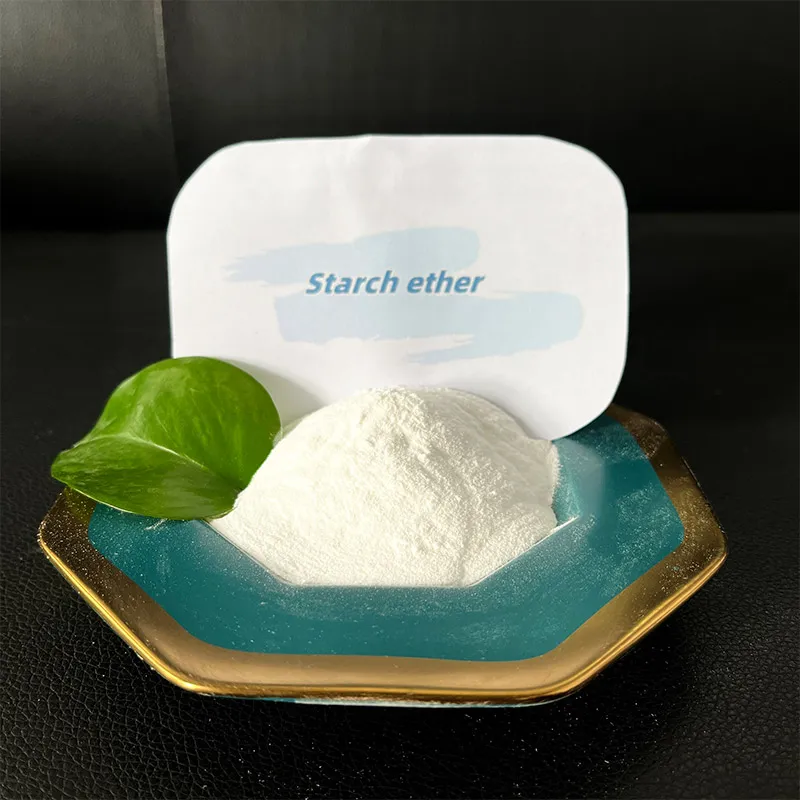
Starch ether is a key solution in the chemical industry, specifically within Specialty Chemicals and Building chemical additives. This article explores how HeBei ShengShi HongBang Cellulose Technology CO.,LTD. supports professionals with durable, high-performance products, and explains why this product is an ideal choice for businesses in these sectors, particularly when considering the broader starch ether uses . Table of Contents Starch Ether Overview Benefits & Use Cases of Starch Ether in Building Chemical Additives Cost, Maintenance & User Experience of Starch Ether Sustainability & Market Trends in the Chemical Industry for Starch Ether Conclusion on Starch Ether from HeBei ShengShi HongBang Cellulose Technology CO.,LTD. Starch Ether Overview As a vital component in modern construction, starch ether plays an indispensable role in the chemical industry, particularly within Specialty Chemicals and Building chemical additives. This modified natural polymer is renowned for its ability to significantly enhance the performance characteristics of cement-based and gypsum-based dry mortars. Technically, starch ether is derived from natural starches through a series of chemical modifications, resulting in a product that acts as a rheology modifier, thickener, and anti-sag agent. Its unique molecular structure allows it to effectively control the consistency, workability, and adhesive strength of various building materials. HeBei ShengShi HongBang Cellulose Technology CO.,LTD. stands as a reliable manufacturer, offering premium quality starch ether that meets the rigorous demands of the global construction market. Our products are engineered to deliver consistent performance, improving aspects like open time, slip resistance, and bond strength in applications where starch ether for dry mortar is crucial. Understanding the intricate balance between performance and cost, our solutions are designed to provide maximum value, making our starch ether a preferred choice for professionals seeking superior additive performance. Benefits & Use Cases of Starch Ether in Building Chemical Additives The versatility of starch ether makes it a cornerstone in various building chemical additives. Its specific applications are extensive, ranging from tile adhesives and joint fillers to self-leveling compounds and renders. For instance, the incorporation of starch ether for dry mortar formulations dramatically improves the workability, ensuring a smoother application process and enhanced anti-sag properties, particularly in thick-bed applications. Similarly, when considering starch ether in tile adhesive , it provides excellent sag resistance for heavy tiles and improves the wetability of the substrate, ensuring a stronger, more reliable bond. HeBei ShengShi HongBang Cellulose Technology CO.,LTD.’s expertise in this sector allows us to tailor starch ether solutions that offer competitive advantages. Our products ensure enhanced pumpability, superior open time, and improved cohesion, leading to less waste and higher efficiency on site. Beyond these benefits, the addition of our starch ether contributes to higher early strength and increased adhesion, vital for the long-term durability of construction projects. These comprehensive starch ether uses underscore its value as a multi-functional additive for discerning B2B decision makers. Cost, Maintenance & User Experience While the initial starch ether price is an important consideration, B2B decision-makers understand that the total cost of ownership and return on investment (ROI) are paramount. The high-performance nature of starch ether from HeBei ShengShi HongBang Cellulose Technology CO.,LTD. translates into significant long-term savings. By improving the workability and consistency of dry mortars and tile adhesives, it reduces material waste, speeds up application times, and minimizes the need for rework, thereby boosting overall project efficiency and profitability. Our starch ether enhances the durability and longevity of the final application, reducing future maintenance costs for property owners. User experience is another critical factor. Customers in the Specialty Chemicals sector consistently report positive feedback on our starch ether. Its ability to create a smooth, creamy consistency in mortars and adhesives makes application easier and more uniform for construction professionals. The extended open time provided by our starch ether for dry mortar also allows for greater flexibility during installation, reducing stress and improving the quality of the finished work. This combination of cost-effectiveness, durability, and superior user experience makes HeBei ShengShi HongBang’s starch ether a valuable investment. Sustainability & Market Trends in the Chemical Industry for Starch Ether The chemical industry is increasingly focusing on sustainability, and the market for Building chemical additives is no exception. Starch ether , being derived from natural, renewable resources, aligns perfectly with these evolving environmental considerations. Its eco-friendly profile, coupled with its performance-enhancing attributes, makes it a preferred choice for sustainable construction practices. Regulatory bodies worldwide are also pushing for greener building materials, further amplifying the demand for products like starch ether that offer both performance and environmental responsibility. Current market trends indicate a strong growth trajectory for dry mix mortars and tile adhesives, fueled by urbanization and the increasing sophistication of construction techniques. As projects demand higher quality finishes and longer-lasting structures, the need for advanced additives like starch ether in tile adhesive and other dry mix applications will only grow. HeBei ShengShi HongBang Cellulose Technology CO.,LTD. is positioned as a forward-thinking and eco-conscious leader in this space, constantly innovating to provide solutions that meet current and future market demands, ensuring our starch ether remains at the forefront of sustainable building chemistry. Conclusion on Starch Ether from HeBei ShengShi HongBang Cellulose Technology CO.,LTD. In summary, starch ether is an indispensable additive that significantly enhances the performance and efficiency of Building chemical additives within the broader chemical industry and Specialty Chemicals sector. Its versatile starch ether uses , from improving starch ether for dry mortar formulations to ensuring superior performance of starch ether in tile adhesive , offer unparalleled value. HeBei ShengShi HongBang Cellulose Technology CO.,LTD. is proud to be a trusted partner, delivering high-quality starch ether products that offer excellent ROI, contribute to sustainable building practices, and consistently meet the evolving needs of our clients. For B2B decision-makers seeking reliable, high-performance, and cost-effective solutions for their construction chemical formulations, our starch ether products are the ideal choice. Explore the competitive starch ether price and superior quality we offer. Contact us: email: 13180486930@163.com Visit our website: https://www.sshbhpmc.com
- 40000tons

Production
- 20+years

Experience
- 5000+㎡

Acreage

-
HPMC eye ointment has emerged as a revolutionary product in the realm of optical care, offering relief and protection for a variety of eye conditions. As an experienced SEO specialist, I am committed to shedding light on the unique aspects of this product that make it indispensable for those seeking ocular comfort and health. HPMC, short for Hydroxypropyl Methylcellulose, is the primary active ingredient in this eye ointment . Its exceptional properties as a viscoelastic polymer make it an ideal candidate for eye care formulations. HPMC excels in moisture retention and provides a protective barrier on the eye's surface, mimicking natural tears. This is crucial for individuals experiencing dry eyes, a condition that often results from prolonged screen time, environmental factors, or age-related changes. Exploring the expertise behind HPMC eye ointment, one discovers its formulation is the result of extensive research in biocompatible materials. The ophthalmic community recognizes HPMC for its non-irritating and non-reactive nature, making it suitable for sensitive eyes. It serves as a soothing layer, easing discomfort and reducing friction against eyelids, especially vital for contact lens wearers or those recovering from ocular procedures. From an authoritativeness perspective, this eye ointment’s efficacy is backed by numerous clinical studies and endorsements from leading eye care professionals. Its utilization in treating conditions such as keratoconjunctivitis sicca—a severe form of dry eyes—is well-documented. These expert endorsements are crucial for establishing the product's credibility and ensuring patients feel secure in their choice of treatment. Consumer trust in HPMC eye ointment is further bolstered by its proven track record. Users report significant improvements in eye hydration levels and comfort, often within a short period of consistent use. The ointment's ability to reduce symptoms such as itching, burning, and the sensation of having a foreign body in the eye underscores its effectiveness. Moreover, its gentle formulation means it is safe for long-term use, addressing the root causes of dryness rather than merely providing temporary relief. hpmc eye ointment The science behind HPMC’s function is both fascinating and rigorous, reflecting a perfect confluence of chemistry and biology. When applied, the ointment forms a lubricating film over the cornea, promoting epithelial healing and offering a defense against environmental irritants and pathogens. This barrier not only moisturizes but also protects, reducing the risk of secondary infections—a common concern for those with compromised tear production. In the competitive market of eye care products, HPMC eye ointment stands out due to its precision-engineered formula tailored to mimic and supplement the eye's natural defense mechanisms. Its role as an adjunct therapy in managing dry eye syndrome represents an evolution in eye care solutions focused on long-term health rather than transient comfort. For prospective users eager to regain ocular health and comfort, selecting an HPMC eye ointment symbolizes choosing innovation grounded in scientific expertise and a legacy of professional endorsements. Transparency in its development and application underscores its trustworthiness, ensuring that users can confidently incorporate it into their daily care regimen. This ointment serves as both a preventive and therapeutic tool in managing ocular surface disorders, embodying the intersection of cutting-edge science with everyday practicality. Through ongoing innovations and research, the formulation continues to evolve, promising even more refined results in the future. In conclusion, HPMC eye ointment exemplifies a paradigm shift in personalized eye care, providing a robust, reliable option for those seeking to soothe and protect their eyes. Its combination of experience-driven expertise, authoritative endorsements, and unwavering trustworthiness positions it as a leading choice in the eye care industry, promising relief and rejuvenation with every application.
-
Hydroxypropyl Methylcellulose (HPMC) is an essential polymer used across various industries due to its adaptable nature and functional versatility. The complexity of its applications often warrants a closer examination of the different grades available in the market to effectively leverage their unique properties. Hydroxypropyl Methylcellulose comes in several grades, each tailored for specific functionalities. These grades differ mainly in viscosity, particle size, and substitution levels, which greatly influence their performance in diverse applications. The pharmaceutical industry extensively utilizes pharmaceutical grade HPMC as an excipient. This grade is essential in formulating controlled release drugs, offering superior stability and consistency. Real-world experiences affirm that pharmaceutical grade HPMC not only enhances the viscosity of the solution but also acts as a robust film-former, resisting degradation over time. Certified by rigorous standards, this grade showcases the crucial balance between safety and performance. In the construction industry, HPMC plays an indispensable role, particularly in tile adhesives, grout, and cement. The construction grade HPMC is distinguished by its enhanced water retention properties and workability. Construction professionals value this grade for its ability to improve open time and ensure smoother application. My long-standing interaction with industry experts revealed that the superior adhesion and cohesion provided by specialized construction grades significantly reduce sagging upon application, leading to longer-lasting structures. Food grade HPMC is another noteworthy category, primarily engaged in the food industry. This grade serves as an emulsifier, thickener, and stabilizer in various culinary applications, including plant-based alternatives. The trustworthiness of food grade HPMC is paramount as it is involved in ingestion; thus, it complies with the strictest regulatory standards. Leading food technologists often cite its non-toxic and hypoallergenic properties as pivotal when creating consumer-friendly vegan and vegetarian recipes, adding that consistent texture and mouthfeel are achieved with unmatched ease through this grade. different grades of hpmc In environmental applications, surface coating and protection measures increasingly rely on HPMC. In these contexts, specialty grades of HPMC are reputed for their biopolymer properties, offering eco-friendly yet effective solutions. These specialty grades excel in bioadhesive applications, where their performance aligns with sustainable practices. Professionals engaged in green chemistry initiatives often convey that the bio-based grades of HPMC provide not only environmental compatibility but also maintain the mechanical integrity necessary for broad-spectrum applications. Another vital domain is the personal care industry, where cosmetic grade HPMC is prevalent. It is used in lotions, creams, and shampoos as a thickening agent. Researchers emphasize the role of cosmetic grade HPMC in enhancing the viscosity of formulations, which directly relates to the product's efficacy and consumer perception. Elaborate testing and testimonies from dermatological experts underpin its safety and compatibility with skin, embodying trust and reliability in personal care products. Advanced research and development continue to forge newer grades of HPMC , tailored for high-tech applications. Engineers in the field of 3D printing, for example, are beginning to explore unique grades of HPMC with specialized rheological properties to optimize the print quality and speed, marking a testament to HPMC’s adaptability. Conclusively, the diverse grades of HPMC highlight the polymer’s intrinsic versatility across various industries. Each grade is a testament to its optimized formulation for specific applications, ensuring efficacy, reliability, and safety. These attributes not only render HPMC indispensable in existing domains but also hold the promise for pioneering applications. Considering the dynamic market demands, staying informed about the latest advancements and applications in HPMC grades is paramount for professionals keen on leveraging this polymer’s full potential for innovative solutions.
advantages
-

200000 Viscosities
Excellent product
We can produce pure products up to 200,000 viscosities
-

40000 tons
High yield
We don’t stop production all year round, and the annual output can reach 40,000 tons
-

24 hours
Quality service
We provide 24-hours online reception service, welcome to consult at any time
———— Inquiry Form
Schedule A services

- hpmc_used_in_tablets
Oct . 25, 2025
Hebei ShengShi HongBang Cellulose Technology Co., Ltd., located in the Xinji Provincial Clean Chemic -
 wood_cellulose_meaning
Oct . 25, 2025
HPMC eye ointment has emerged as a revolutionary product in the realm of optical care, offering reli -
 hormigon_armado_con_polifibra
Oct . 25, 2025
The Rise of Manufactured Synthetic Fibers Transforming the Textile Industry In today’s modern world,


